Born in 1969, Janice Hallett took one of the most circuitous routes to crime fiction stardom imaginable. She studied English language at University College London and later screenwriting at Royal Holloway, but before turning to novels she spent over fifteen years as a trade magazine journalist in the cosmetics industry, eventually launching her own magazine and publishing house.
She then pivoted to government communications, writing speeches for the Cabinet Office, the Home Office, and the Department for International Development. On the creative side, she co-wrote the 2011 British horror-thriller film Retreat and penned the feminist Shakespearean stage comedy NetherBard, winning Best New Screenplay at the 2014 British Independent Film Festival.
“It’s like acting, stepping into different characters each day.”
All of these threads converged brilliantly when Hallett published her debut novel The Appeal in 2021. Told entirely through emails, text messages, letters, and community notices, the novel invites readers to piece together the truth about a community theatre group’s fundraising campaign that takes a sinister turn. It became the UK’s second bestselling fiction debut of 2021 and won the Crime Writers’ Association New Blood Dagger in 2022.
With The Twyford Code, she explored a mysterious cipher hidden within children’s books, told through voice memos and transcripts. The Mysterious Case of the Alperton Angels and The Christmas Appeal followed, each proving that Hallett’s epistolary format was no one-trick novelty but a genuinely new way of engaging readers in puzzle-solving.
Quick Facts
- Background: Journalist, screenwriter, government speechwriter
- Debut: The Appeal (2021)
- Award: CWA New Blood Dagger (2022)
- Format: Every novel told entirely through documents, emails, and messages
- Education: UCL and Royal Holloway
What sets Hallett apart is how she transforms the mundane detritus of modern communication – group chats, forwarded emails, meeting minutes – into gripping narrative machinery, challenging readers to become active detectives rather than passive observers.

 The Appeal (2021)
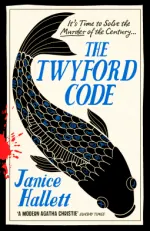 The Twyford Code (2022)
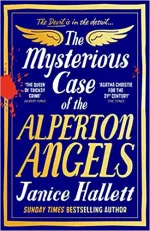 The Mysterious Case of the Alperton Angels (2023)
 The Christmas Appeal (2023)